No London HQ, No Problem: Five Regional Founders on the 2026 Scale-Up Playbook

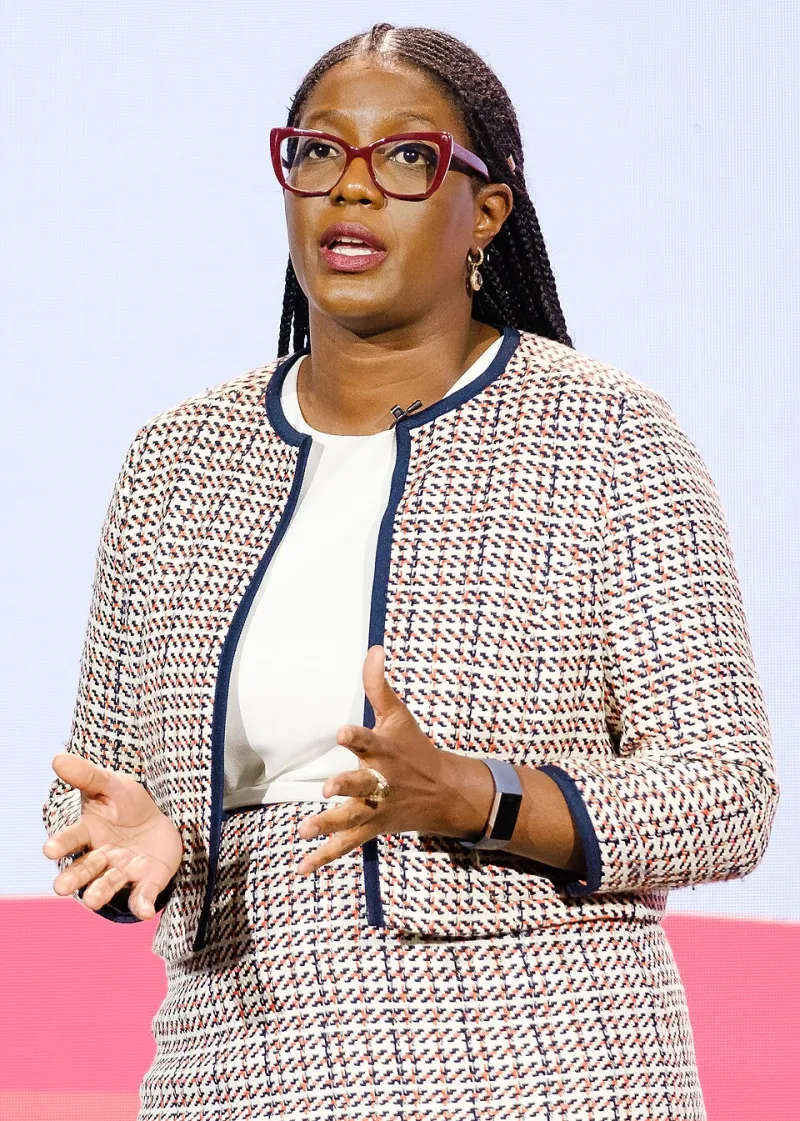
Photo: Kk70088, CC BY-SA 4.0, via Wikimedia Commons
London is still a powerful magnet for capital and customers, but it is not the only place to build a fast-growing UK company. In 2026, founders in Manchester, Bristol, Leeds, Edinburgh and Birmingham are scaling with smaller offices, regional talent pools and customers who value a supplier that understands their patch. We spoke to five founders about the practical playbook—what they spend, what they skip and how they grow without a London HQ.
Manchester: sell into a local cluster first
Maya Patel is co-founder of Cargofold, a logistics software company in Ancoats. The business reached £1.2m ARR with a team of 18 and has never had a London office. ‘Our first ten customers were freight firms within a 45-minute drive,’ she says. ‘That meant we could visit, fix problems on site and get references fast. London would have looked more impressive on a pitch deck, but it would not have made the product better.’
Her playbook is simple: dominate a regional cluster, then expand. Cargofold keeps costs low by hiring from Manchester’s tech and logistics networks, using a small office and a remote-first policy for engineers. The trade-off is fewer chance meetings with investors. Maya’s answer is to batch London trips around customer meetings and use regional angel groups for early cheques.
Takeaway: local customer density can be a sales advantage, not a limitation.
Bristol: use the city as a testbed
Tom Rees founded GridPatch, which makes energy-management hardware for small commercial buildings. Bristol gave him something London couldn’t: space to test hardware, access to engineering talent and local authorities willing to run pilots. ‘We needed installers, electricians and buildings with real energy bills,’ he says. ‘Bristol had all three within a few miles.’
GridPatch raised a seed round from a mix of regional angels and a specialist climate fund. Tom warns that hardware founders still need to travel for some customer meetings, but the lower cost base buys time. ‘Every pound we don’t spend on rent or a London salary goes into certification and stock,’ he says.
Takeaway: if your product needs real-world testing, a regional city can be a cheaper and faster proving ground.
Leeds: go where the talent already lives
Aisha Khan runs ClinicPulse, a healthtech platform used by GP practices and community clinics. She hired her first five engineers in Leeds and Sheffield, often with experience in the NHS or regulated software. ‘We were competing with London salaries we couldn’t match,’ she says. ‘So we competed on interesting problems, flexibility and the chance to build something that gets used locally.’
ClinicPulse won its first NHS pilot through a regional trust rather than waiting for a London introduction. Aisha says the sales cycle was still slow, but the pilot gave the company credibility that travelled. The team now uses a hub-and-spoke model: a small Leeds office, remote staff across the north and quarterly all-hands.
Takeaway: regional talent can be more stable and more affordable, but you need a clear reason for people to join.
Edinburgh: anchor in a specialist ecosystem
Callum Fraser founded Ledgerloom, a compliance tool for financial services firms. Edinburgh’s financial and data-science talent gave him a deep bench without London overheads. ‘We pay well, but we don’t pay London premiums,’ he says. ‘The bigger advantage is that people understand the sector. They have worked in banks, asset managers and insurers.’
Ledgerloom runs a remote-first team but keeps a small Edinburgh office for product and customer success. Callum says regional investors are more pragmatic than founders expect: ‘They want traction, not a postcode. We closed our round with a mix of Scottish and English funds and didn’t need to relocate.’
Takeaway: specialist ecosystems can give you credibility and hires that are hard to find elsewhere.
Birmingham: turn location into logistics
Priya Nair runs ShopSprint, an operations platform for independent retailers. Birmingham’s location made it easy to serve customers across the Midlands and reach London, Manchester and Bristol within a few hours. ‘We can do a warehouse visit and be back for school pick-up,’ she says. ‘That sounds small, but it changes how fast you can fix things.’
ShopSprint has 22 staff, a small office near Digbeth and a deliberately unglamorous approach to spending. Priya uses regional ecommerce meetups for hiring and customer research, and has raised from Midlands-focused angel networks. Her advice: ‘Don’t apologise for not being in London. Show customers you understand their region and you’ll get a hearing.’
Takeaway: geography can be a service advantage—if you build your operations around it.
The regional scale-up playbook
Across all five founders, a few patterns stand out. They keep fixed costs low and put money into product, stock or customer success. They sell into local clusters before chasing national logos. They hire from regional universities and industry networks, and they batch travel rather than paying for a London presence too early. They also use regional investors, grant funding and customer revenue instead of assuming a London VC round is the only path.
None of this means London is irrelevant. It is still where many large customers, partners and investors sit. But a London HQ is a cost decision, not a growth requirement. In 2026, the founders scaling fastest outside the M25 are the ones treating their location as a deliberate advantage—not an apology.