Raise or Grow Up? A 2026 UK Founder’s Playbook for Profitable Scaling
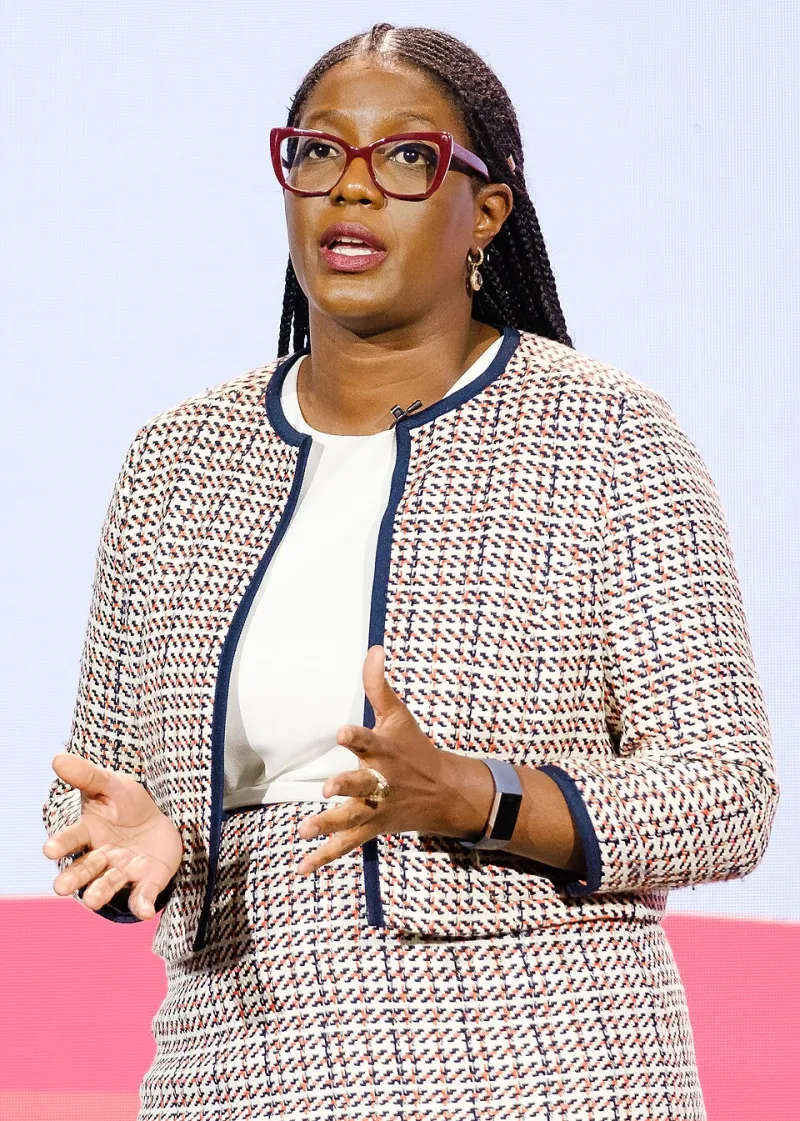
Photo: DFID - UK Department for International Development Graham Carlow, CC BY 2.0, via Wikimedia Commons
There is a moment in every scaling business when the founder opens a spreadsheet, looks at the next 12 months and thinks: do we raise, or do we grow up?
In 2026, that question is sharper than ever. Capital is available for good companies, but it is not cheap in terms of dilution, control or the expectations that come with it. Meanwhile, profitable growth is deeply unfashionable until you realise it gives you the one thing investors cannot: options.
This is not an argument against raising. It is an argument against raising by default. Here is the practical playbook we would use if we were running a UK scale-up right now.
Start with the only question that matters
Are you default alive? If you stopped raising today, would the business reach profitability before the cash runs out? If the answer is no, you have a cash problem, not a fundraising problem. Fix the unit economics first. A round will just buy you more time to make the same mistakes at a larger scale.
If you are default alive, compare the cost of capital. A £3M round at a £12M pre-money valuation costs you 20% of the company. Would you rather have that 20% back in three years, or would you rather have the acceleration the cash buys? There is no universal answer. But you should be able to explain the trade-off in one sentence.
Price like you mean it
Most UK founders underprice. Not because they are silly, but because pricing feels like a risk. It is. So is staying cheap.
A SaaS founder we know moved from a flat £99 per month plan to a usage-based model with a £149 floor. Existing customers stayed on the old plan for six months. New customers paid more. Net revenue retention went from 94% to 108% in a year. Same product. Better packaging.
Action: run a pricing audit this month. Look at your top 20 customers, your gross margin by segment and your discount approval process. If every salesperson can knock 15% off without asking, you do not have pricing. You have a suggestion box.
Retention is the cheapest growth lever you own
Acquiring a new customer is expensive. Keeping one is not. In 2026, with paid acquisition costs still volatile, retention is the most underrated profit lever for UK founders.
Look at net revenue retention, not just logo churn. A business with 90% NRR is leaking growth every month. A business with 105% NRR can grow even if sales has a quiet quarter. The fixes are usually unglamorous: better onboarding, quarterly business reviews, a named account manager for your top 20% of customers, and a proper cancellation reason log.
One Glasgow services founder cut churn by 30% simply by calling every customer who cancelled within 48 hours. Half of them had a fixable problem. The other half gave her a product roadmap for free.
Hiring in the UK is not just salary
UK founders often budget for salary and forget the rest. Employer National Insurance, pension contributions, apprenticeship levy where applicable, recruitment fees, equipment, software licences and management time all add up. A £60,000 hire can easily cost £75,000 to £85,000 in year one.
That does not mean do not hire. It means hire deliberately. Use fractional or contract support for specialist work that is not yet full-time. Hire in regional hubs where the salary premium is lower, but do not underpay for critical roles. And promote from within where you can — it is usually cheaper and better for retention.
A Leeds founder told us his best 2026 hire was not a £90,000 sales director. It was a £45,000 operations manager who freed up two senior people to focus on customer retention. Leverage beats job titles.
Grants and tax incentives are real money — use them
UK founders leave money on the table because they assume grants are for someone else. They are not. Innovate UK Smart Grants, local growth hubs, Scottish Enterprise, Invest NI and the Welsh Government all run programmes that can part-fund innovation, hiring or capital investment. They are competitive and slow, so build a grant calendar and treat applications like a sales pipeline.
Tax incentives matter too. R&D tax relief can be substantial for genuinely innovative work, and SEIS/EIS advanced assurance is worth sorting before you need it. Patent Box can help if you commercialise qualifying IP. None of these should shape your strategy, but they can improve your runway.
The mistake is building the business around a grant. The grant should accelerate a decision you would make anyway.
When to walk away from a bad term sheet
A bad term sheet is worse than no term sheet. Watch for excessive liquidation preferences, full ratchet anti-dilution, investor board control that blocks ordinary decisions, tranche milestones you cannot control, pay-to-play clauses and personal guarantees.
One UK founder was offered £2M on a 2x participating preference with a full ratchet and a board seat that gave the investor veto over hiring. On paper, the valuation looked strong. In reality, it meant the founder could not sell the business without the investor doubling their money first. He walked. Six months later he raised a smaller round on cleaner terms. The delay hurt. The terms would have hurt more.
A simple decision framework
Score these from 1 to 5:
- Cash runway without a raise: under 6 months is a 1; over 18 months is a 5.
- Net revenue retention: below 90% is a 1; above 110% is a 5.
- Gross margin: below 40% is a 1; above 70% is a 5 for software, above 50% for services.
- Growth rate: below 15% is a 1; above 40% is a 5.
- Strategic value of the investor: money only is a 1; money plus customers, hiring and doors is a 5.
If your total is below 15, fix the business before you raise. If it is 15 to 20, raise only if the terms are clean and the investor adds real value. If it is above 20, you have options — and you should act like it.
The profitable-growth playbook
For the next 12 months, run four workstreams. First, pricing: audit, test, and raise. Second, retention: measure NRR and call churners. Third, hiring: cost the full package, not the salary. Fourth, cash: forecast 13 weeks ahead and build a grant and tax calendar.
None of this is as exciting as announcing a funding round. But it gives you something more valuable than a press release: the ability to choose. In 2026, the founders who scale well will not be the ones who raise the most. They will be the ones who know exactly why they are raising — and what they will do if they do not.